Master the Great Outdoors: Essential Camping Tips for Every Adventurer
Unplugging from the hustle and bustle of daily life and venturing into the serene embrace of nature can be transformative. Embracing the wilderness through camping not only rejuvenates the soul but also challenges our abilities to adapt to a simpler, yet rugged existence. Mastering the great outdoors requires a mixture of enthusiasm, respect for nature, and a bit of savvy prep work. This guide, “Master the Great Outdoors: Essential Camping Tips for Every Adventurer,” aims to equip both novice and seasoned explorers with tips to enhance their outdoor experiences.
Introduction
Whether you’re planning your first overnight in the woods or are a seasoned camper preparing for a lengthy expedition, knowing how to tackle the wilderness is crucial. Camping provides a great escape, a way to reconnect with nature, and an opportunity to test personal limits. Mastering the great outdoors starts with understanding the basics of camping, from selecting the right gear to practicing Leave No Trace principles. By the end of this guide, you’ll be better prepared to confidently explore the great outdoors.
Selecting the Right Gear
Tents and Shelter
Choosing the right tent is pivotal. When selecting a tent, consider the season, the climate of your camping area, and the number of people sharing the space. A good tent is your first defense against the elements, so invest in high-quality materials that can withstand wind, rain, and potentially snow.
Sleeping Bags and Pads
Temperature-rated sleeping bags are crucial. Nothing can disrupt an adventurous spirit quicker than a cold, restless night. Consider the lowest temperatures you might face and choose a sleeping bag rated for those conditions. Pair it with a sleeping pad, not only for comfort but also for important insulation from the ground.
Cooking and Water Supplies
Portable stoves, lightweight cookware, and enough fuel will ensure you have hot meals when you crave them. Hydration is paramount, so either carry enough water or have tools to treat water from natural sources. Reliable water filters and purification tablets are lightweight solutions for clean drinking water.
Planning Your Trip
Research the Area
Understanding the terrain, local wildlife, and climate can significantly impact your camping experience. Use resources like national parks websites, and camping forums to gather information. This knowledge informs decisions like where to camp, what to pack, and how to stay safe.
Prepare for Emergencies
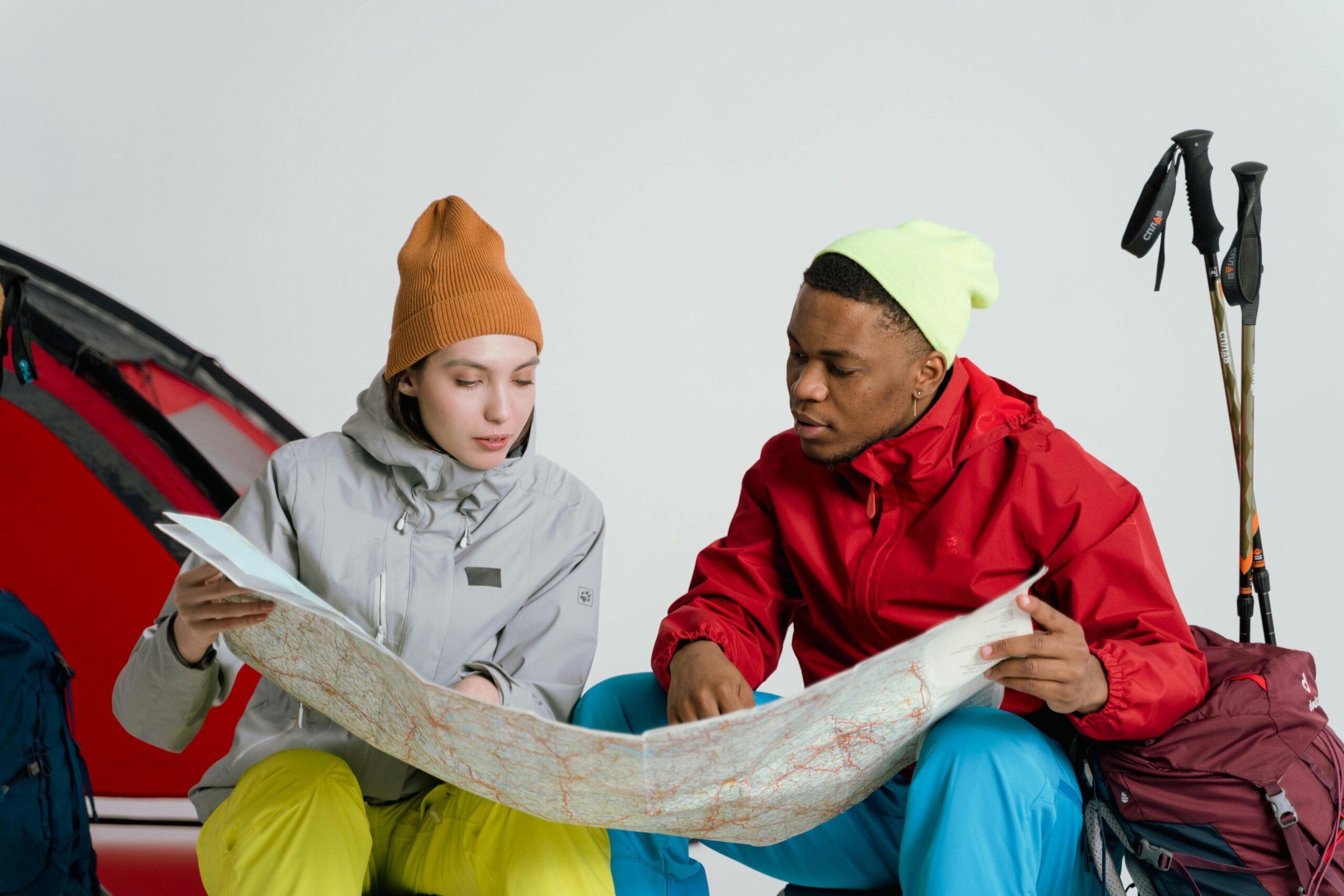
Always carry a first aid kit, a map and compass (or GPS), a whistle, and a multi-tool. Knowing basic first aid and how to navigate with a map and compass can make all the difference in an emergency situation.
Setting Up Camp
Choose the Right Site
Master the Great Outdoors with smart campsite selection. Look for level ground to ensure comfort and avoid areas under lone tall trees to minimize risks from lightning or falling branches. Proximity to water sources is convenient but camp at a safe distance to avoid flooding and minimize impact on wildlife.
Leave No Trace
Adhering to Leave No Trace principles is non-negotiable for responsible adventurers. This means packing out everything you bring in, being mindful of where you set up camp, and respecting wildlife and other campers. Use existing trails and campsites, keep fires small, and manage waste properly.
Staying Safe
Wildlife Encounters
Understanding and respecting wildlife is part of how to Master the Great Outdoors. Store food in bear-proof containers when necessary, keep your distance from animals, and store food away from your sleeping area.
Weather Awareness
Always check the forecast before departing and prepare for unexpected changes in weather. This includes packing extra layers for warmth and ensuring your gear is suitable for a sudden storm.
FAQs About Mastering the Great Outdoors
Q1: What is the most important skill for a beginner camper to learn?
A1: Learning how to correctly set up a tent is fundamental. Practice setting up your tent at home to avoid frustration and time-waste on-site.
Q2: How can I lessen my impact on the environment while camping?
A2: Follow the Leave No Trace principles diligently. Avoid making new campsites or trails, and use biodegradable products.
Q3: What are some common mistakes made by first-time campers?
A3: Overpacking, underpreparing for weather changes, and neglecting to test new equipment before the trip are common pitfalls.
Conclusion
Mastering the great outdoors starts with preparation and respect for nature. By equipping yourself with the right knowledge and gear, practicing environmental stewardship, and preparing for the unpredictabilities of nature, your camping experiences can shift from just an outdoor stay to a truly enriching adventure. Remember, every expert camper was once a beginner, and every outing is an opportunity to improve your skills and deepen your appreciation for the natural world. Whether it’s a solo journey or a bonding family holiday, mastering the essential camping tips provided in “Master the Great Outdoors” will lead to memorable and joyful adventures in nature’s lap. Now pack up, head out, and master the great outdoors like the adventurer within you knows you can!