
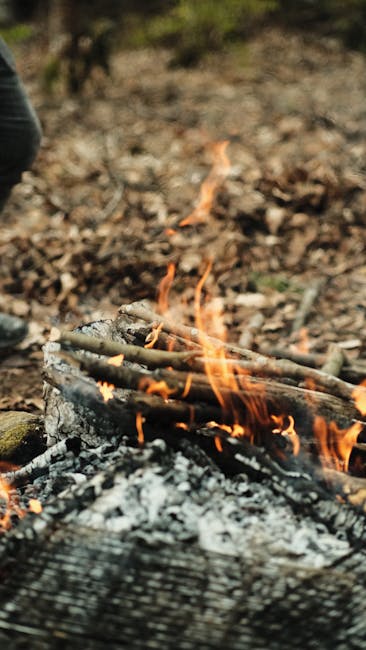
Essential Camping Tips for Beginners: Mastering the Great Outdoors with Ease
Are you set to trade city sounds for the serene whispers of nature? Read on as we guide you through Essential Camping Tips for Beginners: Mastering the Great Outdoors with Ease. Whether it’s the rustle of leaves or the whisper of rivers, camping promises an unbeatable opportunity to connect with nature and step away from routine.
Introduction:
Gearing up for your first camping trip can feel as daunting as it is exciting. As novices often learn the hard way, overlooking even minor details can disrupt an overdue escape into nature. To transform you from a camping novice to a confident outdoor enthusiast, we offer a plethora of Essential Camping Tips for Beginners: Mastering the Great Outdoors with Ease. This guide ensures that your first venture into the wild is nothing short of thrilling and memorable.
1. Planning and Preparation: The Keystone of Camping
The cornerstone of a successful camping trip lies in meticulous preparation. Start by selecting a suitable campground. Preferably choose a location known for its beginner-friendliness—these campsites typically offer clear marked trails, good security, and perhaps even a guide if needed.
Essential Tip: Reserve your campsite early, especially if you plan to camp in a popular area or during peak season. Parks and popular camping spots can fill up quickly!
2. Gear Up: Choosing the Right Equipment
Investing in quality camping gear is crucial. While borrowing items can be cost-effective, ensuring you have the right equipment that’s in good condition is essential.
Essential Camping List for Beginners:
- A sturdy, weather-appropriate tent
- Sleeping bags and additional blankets for insulation
- A reliable camping stove
- Essential kitchen supplies and a cooler for food storage
- Flashlights, extra batteries and a solar charger
- First-Aid kit
Essential Tip: Practice setting up your tent in your backyard before your trip. Being familiar with the assembly can save time and stress at the campsite.
3. Pack Smart: What to Bring Along
When packing, balance between necessity and overpacking. Practice the art of minimalist packing—bring items that serve multiple purposes.
Do Not Forget:
- Weather-appropriate clothing (always prepare for cold nights)
- Eco-friendly toiletries (biodegradable soap, toothpaste, etc.)
- Navigation tools such as maps and a compass
- Adequate food that is easy to prepare
- Plenty of water and snacks like nuts or granola bars
4. Campsite Setup Mastery
Once at your campsite, assess the land. Look for a flat area to pitch your tent, preferably elevated to avoid any water logging in case it rains. Keep your food storage away from the sleeping area to deter wildlife from visiting at night.
Essential Tip: Arrive at your campsite early. Setting up camp before dusk is much easier when you can see clearly.
5. Safety First: Staying Secure
Familiarize yourself with the wildlife and potential hazards in the area. If camping in a bear-prone area, make sure to use bear-proof containers and understand what to do in the event of an encounter.
6. Leave No Trace Principles
Adhering to ‘Leave No Trace’ principles is vital for preserving the natural beauty of outdoor spaces. Dispose of waste properly, respect wildlife, and leave what you find. This ensures the great outdoors remains pristine for fellow adventurers.
7. Enjoy and Respect
Finally, immerse yourself in the experience. Whether it’s a quiet night under the stars or a challenging hike, embrace the natural beauty. Connect with fellow campers, share stories, but also respect their space and need for tranquility.
Frequently Asked Questions (FAQs)
Q1: What are the best foods to bring camping for beginners?
A: For beginners, non-perishable and easy-to-prepare items like canned goods, pasta, and pre-made mixes are ideal. Consider energy-rich and easy-to-carry snacks for hikes.
Q2: Do I need special insurance to go camping?
A: It depends on the location and type of activities you plan to engage in. Generally, standard health and travel insurance might suffice, but for more adventurous activities, consider additional coverage.
Q3: How can I make my campsite more comfortable?
A: Invest in a good quality sleeping pad, bring an extra tent footprint, and consider amenities like a portable camp table or chairs for added comfort.
Conclusion:
Embarking on your first camping journey is exciting and with these Essential Camping Tips for Beginners: Mastering the Great Outdoors with Ease, you’re well on your way to a remarkable adventure. Remember, preparation is key, but so is flexibility. Sometimes, unexpected events make the most memorable stories. So, pack up, gear up, and step confidently into the realm of nature where endless discoveries await. Happy camping!