Essential Camping Safety Tips and Tricks: Stay Secure and Enjoy the Great Outdoors
Are you gearing up to explore the tranquility of the great outdoors? Camping isn’t just about toasted marshmallows and storytelling around the campfire. The beauty of nature comes with its set of challenges, making it imperative to prioritize safety. Thankfully, adhering to some essential camping safety tips and tricks can ensure you stay secure and relish every moment outdoors.
Introduction
Camping allows us to reconnect with nature, step away from the digital world, and create lasting memories with friends and family. Nonetheless, the unpredictability of nature demands preparedness to handle emergencies and ensure a safe, enjoyable experience. Whether you’re a first-timer or a seasoned camper, understanding the fundamentals of camping safety is crucial. In this blog post, we’ll break down all you need to know to stay secure and enjoy the great outdoors.
1. Plan and Prepare
Good preparation is the cornerstone of a safe camping trip. Research your camping destination, understand the local wildlife, weather conditions, and any site-specific hazards. Purchase a reliable map and study the terrain. Additionally, inform a friend or family member of your travel plans and expected return time.
FAQ: What should I include in my emergency contact information?
Include your name, contact details, medical information, planned route, and expected return and entry points. This ensures that rescuers can find you more efficiently in an emergency.
2. Packing Essentials
Packing appropriately can make a difference in your safety while camping. Invest in a high-quality tent, sleeping bags suited for the temperature, and suitable attire. Here’s a shortlist of essentials:
- Weather-appropriate clothing (layering is key)
- Navigation tools like a map, compass, or GPS
- First-aid kit
- Flashlights or headlamps (with extra batteries)
- Sunscreen and insect repellent
- Plenty of food and water
FAQ: How much water should I bring for camping?
A good rule of thumb is about two liters per person per day, but this might vary based on the climate and your activity levels.
3. Campfire Safety
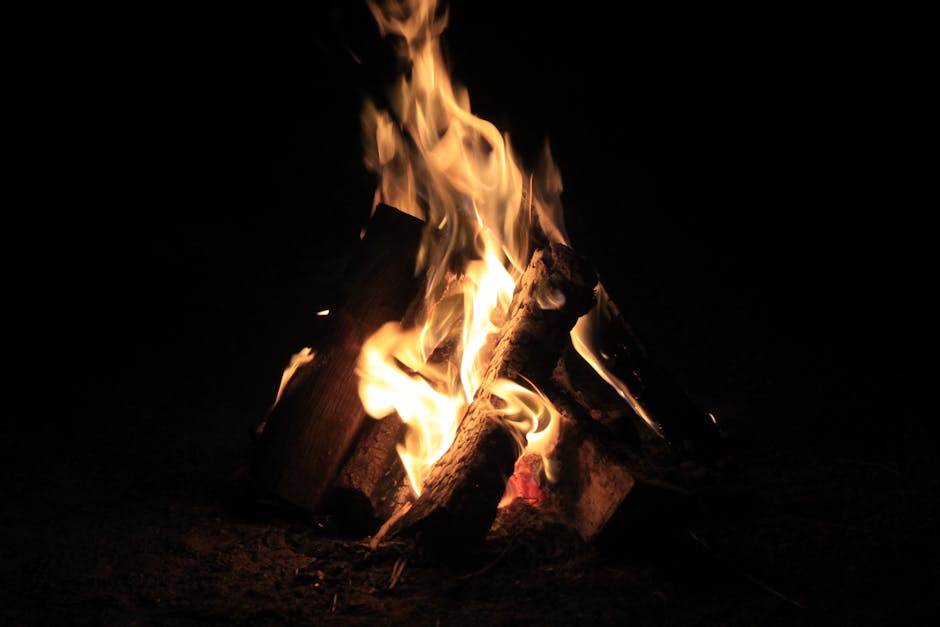
Having a campfire? Make sure it’s safe and controlled. First, see if campfires are allowed in the area, as restrictions might apply depending on the season and fire risk. Always use a designated fire pit and keep your fire away from tents, trees, and other flammable materials. Never leave your fire unattended, and ensure it’s completely out before going to sleep or leaving the campsite.
FAQ: What is the best way to extinguish a campfire?
Douse it with water, stir the ashes with a stick, and douse it again. Repeat until the firepit is cold.
4. Wildlife Precautions
Part of the allure of camping is encountering wildlife, but it’s vital to do so from a safe distance. Store your food in animal-proof containers and never leave it unattended. Be aware of the animals native to your camping area and learn how to handle potential encounters. Most importantly, never feed wild animals—it disrupts their natural foraging habits and can lead to dangerous interactions.
FAQ: What should I do if I encounter a bear?
Stay calm, speak in a low tone, back away slowly, and avoid direct eye contact. Do not run or climb trees.
5. Weather Awareness
Weather can change quickly and unexpectedly. Always check the weather forecast before you depart and prepare for sudden shifts. Pack waterproof gear and layers to adapt to changing conditions. If you get caught in a storm while camping, avoid high ground, isolated trees, and water bodies.
FAQ: What is the safest location during a thunderstorm while camping?
If you can’t leave, the safest place is a low-lying area away from trees and metal objects. Assume a low, crouched position with as little of your body touching the ground as possible.
6. Maintaining Health and Hygiene
Staying healthy is as important as staying safe. Keep a clean campsite, wash your hands regularly, and manage food safety by keeping perishables in insulated coolers. Also, be aware of water sources in your area. Unless marked as potable, always boil or purify water before drinking.
FAQ: What are the signs of dehydration?
Common signs include headache, dry mouth, dark urine, fatigue, and dizziness. Drink water regularly, not just when you feel thirsty.
Conclusion
With these essential camping safety tips and tricks, you’re better prepared to embrace the adventures that await in the great outdoors. Always prioritize preparation, respect nature, and follow local guidelines. Remember, a safe camper is one who can fully enjoy the beauty and serenity of their surroundings without worry. So pack up, plan, and prep – the great outdoors awaits, and now you’re ready to stay secure and enjoy every bit of it!
Whether you’re looking toward a rugged backcountry adventure or a tranquil camping retreat by the lakeside, keeping these tips in mind will help ensure that your encounter with nature is as safe as it is enjoyable. Ready to explore? Happy camping!