Ultimate Guide to Camping Essentials: Packing Smart for the Great Outdoors
Embarking on an outdoor adventure often means stepping away from the daily grind to embrace the serenity and untamed beauty of nature. Whether you’re setting up camp by a whispering river or under the vast, starlit sky, being well-prepared can make or break your outdoor experience. That’s why we’ve put together the Ultimate Guide to Camping Essentials: Packing Smart for the Great Outdoors—an all-in-one resource aimed at ensuring you’re perfectly equipped for your next wilderness getaway.
Introduction
Camping offers a unique opportunity to reconnect with nature, challenge oneself, and build lifelong memories with friends and family. However, without the right gear and preparations, what should be a refreshing trip can quickly turn inconvenient, or even dangerous. Our ultimate guide will help you pack smart, covering everything from the camping essentials to handy tips that can enhance your outdoor experience.
Essential Camping Gear List
1. Shelter and Comfort
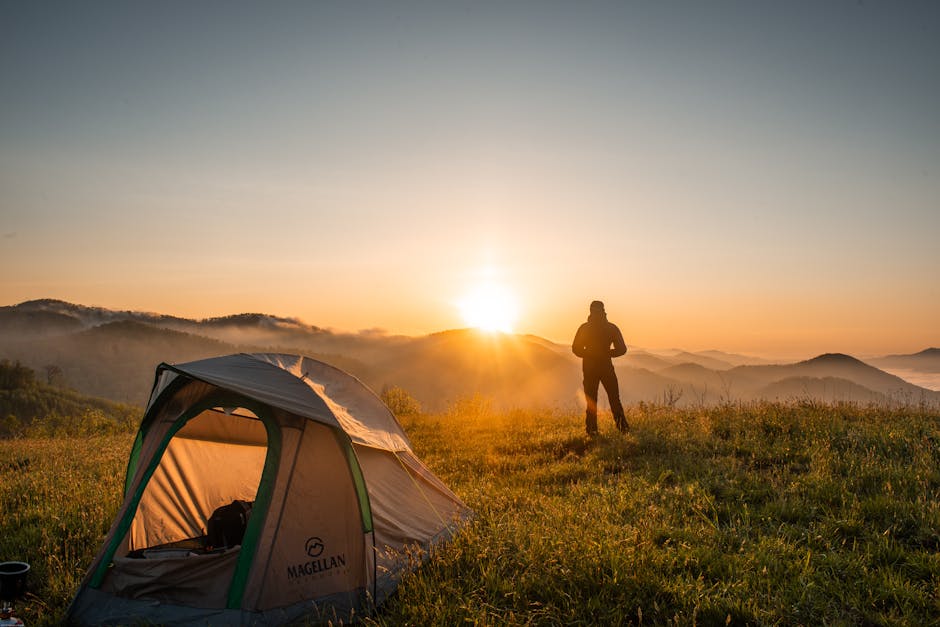
- Tent: This is your primary defense against the elements. Choose a tent based on seasonality, size (allow space for each person plus gear), and weight, especially if you’ll be backpacking.
- Sleeping Bag: Pick a sleeping bag suited for the climate. Consider temperature ratings and insulation material (down vs. synthetic).
- Sleeping Pad or Air Mattress: These add an extra layer of insulation from the cold ground and increase comfort.
- Camp Chairs and Table: These aren’t essentials for everyone, but they can greatly increase the comfort level of your campsite.
2. Clothing
- Layered Clothing: Conditions can change swiftly outdoors. Pack moisture-wicking base layers, insulating mid-layers, and a waterproof outer layer.
- Sturdy Footwear: Waterproof hiking boots or shoes tailored to the terrain will protect your feet and provide support.
- Accessories: Don’t forget hats, gloves, scarves, and socks. These can make a major difference in comfort, especially at night.
3. Cooking Gear
- Portable Stove: A lightweight stove is critical for cooking and boiling water.
- Fuel: Ensure you have the right type of fuel for your stove, and bring extra.
- Cookware: Minimalist sets of pots, pans, and utensils specifically designed for camping will serve you well.
- Cooler: Keeps perishables fresh, and it’s essential for longer trips.
- Food: Plan meals ahead of your trip. Durable, easy-to-cook items like pasta, rice, and canned goods are great.
4. Navigation and Tools
- Maps and Compass/GPS: Your trip can take unexpected turns; always have navigational tools with you.
- Multi-Tool: Useful for everything from gear repair to food preparation.
- Duct Tape and Ropes: For makeshift repairs or even setting up tarps.
5. Lighting
- Headlamps: Ideal for hands-free operation.
- Flashlights and Lanterns: Useful around the campsite and in emergencies.
6. Safety and First Aid
- First Aid Kit: Customize your kit according to your group’s medical needs.
- Insect Repellent and Sunscreen: Protects against sunburn and insect-borne diseases.
- Water Treatment Supplies: Always have a plan for accessing clean water, whether through boiling, tablets, or a filter.
Packing Tips for Efficient Camping
- Use a Checklist: Implementing a checklist ensures you won’t forget essential items.
- Pack Light, Pack Right: Focus on multi-use items to save space and weight.
- Waterproof Your Gear: Use dry bags or pack covers to protect your gear from rain.
- Practice Packing: Doing a trial run of packing your backpack or car can help you figure out the most efficient arrangement.
FAQs About Packing for Camping
Q: How much water should I bring camping?
A: Aim for about two liters per person per day for drinking. Bring extra for cooking and cleaning, or ensure you have access to a clean water source and purification methods.
Q: Can I camp without a tent?
A: Yes, options like hammocks, bivouac sacks, or even sleeping under the stars are feasible but do consider the weather and environment you’ll be in.
Q: What is the best way to pack food for a camping trip?
A: Use tight-sealing containers or reusable zipper bags to keep food fresh and to avoid attracting wildlife.
Conclusion
Successfully packing for camping means preparing for the unexpected while bringing just enough to stay comfortable. It’s about knowing how to use the products in your backpack and making sure you can rely on each piece of gear in your outdoor arsenal. Bookmark this Ultimate Guide to Camping Essentials: Packing Smart for the Great Outdoors for your next trip, and never find yourself unprepared in the wilderness again. Happy camping!
This comprehensive approach ensures you have a safe, enjoyable, and memorable experience in the great outdoors, aligned perfectly with the spirit of adventure that calls so many to the wild.