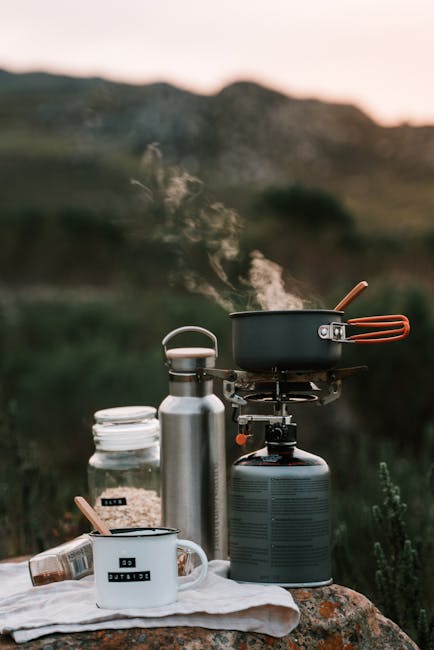
Master the Art of Cooking Over an Open Flame: Tips, Tricks, and FAQs for Fire-Pit Culinary Success
Introduction:
Welcome to the exciting world where the warmth of a fire meets the aroma of delicious cuisine—yes, we’re talking about mastering the art of cooking over an open flame. Often romanticized in camping movies, cooking with an open flame brings a rustic and adventurous spin to your gastronomic experience. Whether it’s roasting marshmallows under a starry sky or searing a steak just steps away from your back porch, the crackling sounds, smoky flavors, and the elemental dance of fire and food evoke a primeval satisfaction. So, grab your apron and fire gloves, and let’s dive into the essentials of fire cooking mastery.
Why Cook Over an Open Flame?
Cooking over an open flame is not just a method; it’s an ancient culinary tradition that has been refined through generations. The intense heat from the flames not only cooks food but also imparts a unique, smoky flavor that is tough to replicate with standard kitchen appliances. It’s about embracing the unpredictability and the intensity of live fire and using it to transform simple ingredients into something extraordinary.
The Basics of Open Flame Cooking:
Mastering the art of cooking over an open flame starts with understanding fire management. Building and maintaining a consistent fire is crucial. You’ll need dry, seasoned wood that burns cleanly and evenly. Hardwoods like oak, hickory, or maple are excellent choices for longevity and flavor. Start with a small fire and gradually build up as it stabilizes, creating a mix of flames and hot embers ideal for different cooking techniques: direct grilling, ember roasting, or smoking.
Equipment Essentials:
- Cast Iron Cookware: Retains and distributes heat evenly, perfect for searing meats or simmering sauces.
- Grill Grate: Useful for keeping food directly over the flame without falling into the fire.
- Long-handled utensils: Ensures safe handling and manipulation of food and logs.
- Fire gloves: Protects from intense heat and occasional sparks.
- Dutch oven: Versatile for baking, frying or stewing over an open flame.
The Cooking Techniques:
- Direct grilling: Ideal for quick-cooking items like burgers, vegetables, and some fish.
- Indirect grilling: Perfect for larger cuts of meat needing longer cooking times, placed next to, not directly over, the flame.
- Plank cooking: Imparts a gentle woody aroma, especially good for delicate foods like fish.
- Smoking: Low and slow cooking that flavors the food over several hours.
- Ember roasting: For vegetables like potatoes or beets, burying them in hot embers cooks them through while infusing a subtle smokiness.
Mastering Temperature Control:
Controlling the temperature is one of the most critical aspects of mastering the art of cooking over an open flame. The key is creating zones in your fire pit or grill. Have a hot zone for searing and a cooler zone for slower cooking. You can manage the heat by spreading the coals more thinly in one area or stacking them higher in another. Utilizing the lid of your grill or smoker can also help mitigate flare-ups and regulate air flow, which in turn controls temperature.
Safety Tips:
Safety cannot be overlooked when you master the art of cooking over an open flame. Always set up your cooking area away from flammable materials and keep a bucket of water or a fire extinguisher nearby. Never leave the fire unattended, and ensure it’s completely extinguished once you’ve finished cooking.
Frequently Asked Questions:
- What are the best foods to cook over an open flame?
Meats, root vegetables, and even some fruits (like pineapples or peaches) thrive over an open flame, acquiring a delicious, smoky flavor. - How do I avoid burning my food?
Use a two-zone heat setup and keep a close eye on your food. Adjusting its proximity to the flame and managing the fire’s intensity are crucial. - Can I use charcoal instead of wood?
Absolutely! Charcoal can provide a more controlled and consistent heat, although you might miss out on some of the flavors that specific types of wood can provide.
Conclusion:
As you can see, mastering the art of cooking over an open flame adds not only flavor but a cascading thrill and nostalgia to eating. It involves basic technique, the right equipment, and an adventurous spirit. So why not stir up the coals and stir up some culinary magic right in your backyard? With practice, you’ll turn out fire-kissed feasts that will gather friends and family around the hearth—or the grill—for unforgettable meals. Remember, the heart of open flame cooking is as much about the joy of the process as it is about the delicious results. Fire up your grill and let the flames inspire your culinary journey!