
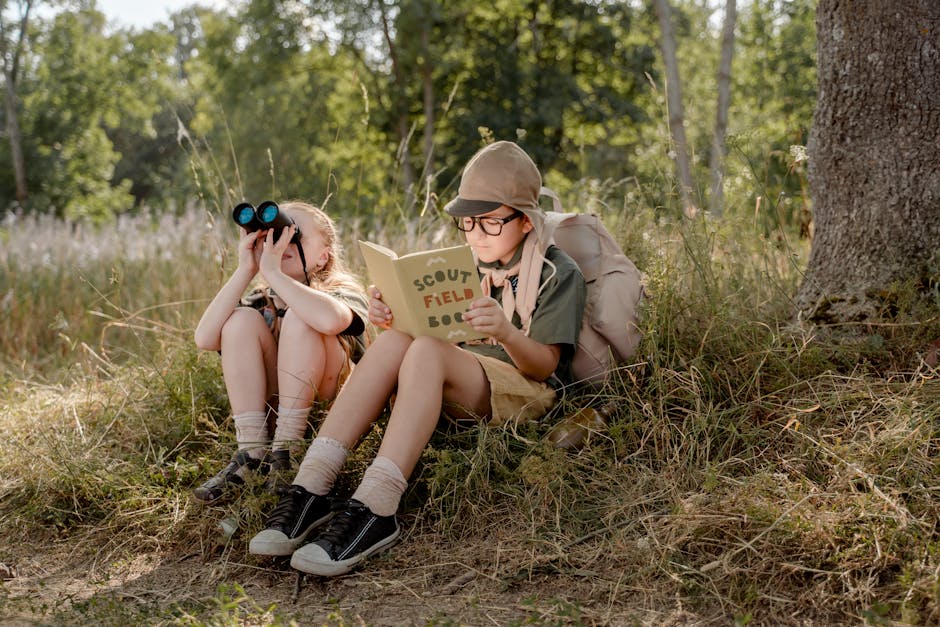
Essential Beginner Camping Tips: Essential Advice for First-Timers
Heading out into the wild for a camping trip can be an exhilarating experience, especially if it’s your first time. The fresh air, the intimate contact with nature, and the break from hectic city life can provide a great source of relaxation and enjoyment. However, venturing into the world of camping without proper preparation can turn your dreamed adventure into a challenging ordeal. Whether you’re planning a solo journey, a family trip, or a fun time with your friends, these essential beginner camping tips will make sure your first camping experience is both enjoyable and memorable.
Introduction to Camping for Beginners
Camping provides a fantastic opportunity to connect with nature, learn new skills, and discover the simplicity of living outdoors. From choosing the right tent to cooking under the stars, every aspect of camping can seem daunting to a newcomer. However, with a little guidance and preparation, you can quickly feel like a seasoned pro. In this blog post, we aim to equip first-timers with essential beginner camping tips that span preparation, setting up, and enjoying the great outdoors.
Planning and Preparation: The Foundation of a Successful Camping Trip
-
Choosing the Right Campsite:
Selecting a suitable campsite is crucial. For beginners, it’s advisable to choose a campsite that is not too remote and has some basic amenities like clean water access and a toilet. National parks or well-known camping grounds are ideal options for first-timers. -
Gear Up:
Invest in a good quality tent, sleeping bags suitable for the season, and a comfortable sleeping pad. You don’t necessarily need the most expensive gear, but look for reliable reviews and ensure your equipment is appropriate for the environment and weather conditions. -
Pack Appropriately:
Create a checklist of essential items, which should include clothes (layers are key), a first-aid kit, food supplies, cooking essentials, and a reliable light source like a headlamp or flashlight. Also, bringing along eco-friendly toiletries can help ensure you leave no trace. -
Check the Weather:
Before you head out, check the weather conditions. Weather can change rapidly, especially in certain terrains like mountains or deserts, so being prepared is essential. This includes packing suitable clothing and understanding if any additional gear is needed.
Setting Up Camp: Ensuring Comfort and Safety
-
Tent Setup:
Practice setting up your tent at home to avoid struggling with poles and stakes at the campsite. Choose a flat spot that is away from water and preferably shielded from the wind. -
Campfire Rules:
Check if your campsite allows campfires, and always use designated fire rings if available. Keep water or a fire extinguisher nearby, and never leave your fire unattended. -
Food Storage:
Depending on where you’re camping, storing your food correctly is vital to avoid attracting wildlife. Use airtight containers and consider using bear-proof canisters if you’re in bear country. -
Respecting Nature:
Stick to marked trails and campsite boundaries to minimize your impact on the environment. Follow the principles of Leave No Trace to keep the great outdoors beautiful and unpolluted.
Surviving and Thriving: Enjoying Your Camping Trip
-
Stay Hydrated and Well-Fed:
Always have plenty of water and snacks handy. Camping activities can be physically demanding, and staying hydrated is crucial. Plan simple meals that are easy to cook but nutritious. -
Explore Responsibly:
Take advantage of your surroundings by exploring, but always prepare beforehand. Know the area you’re going into, bring a map or GPS device, and let someone know your plans. -
Wildlife Encounters:
Understand the wildlife you might encounter and know how to handle any interactions. Store food securely and maintain a respectful distance from any animals you see. -
Enjoy the Experience:
While camping can come with its sets per challenges, remember to relax and enjoy the disconnect from daily life. Appreciate the quiet moments, the scenery, and the simple joys of being outside.
FAQs on Essential Beginner Camping Tips
Q1: What are the most important things to bring on a camping trip?
A1: The essentials include a tent, sleeping bag, food and water supplies, appropriate clothing, a first-aid kit, and navigation tools.
Q2: How do I choose the right tent?
A2: Consider the size (bigger isn’t always better as it’s harder to heat), ease of setup, and the weather conditions it can withstand.
Q3: Any tips for building a campfire?
A3: Always use existing fire rings, keep water nearby, and make sure the fire is completely extinguished before you leave or sleep.
Conclusion
Embarking on your first camping trip with these essential beginner camping tips – essential advice for first-timers in mind, you’re setting yourself up for a successful, enjoyable outdoor adventure. Preparation is key, from selecting the right gear to understanding the basics of campsite safety. With each trip, your confidence will grow, along with your ability to tackle more challenging adventures. Remember, every camper was once a beginner, and part of the joy of camping lies in the learning experience. So, pack up, head out, and start making those unforgettable memories in the wild!
Enjoy your adventure and happy camping!