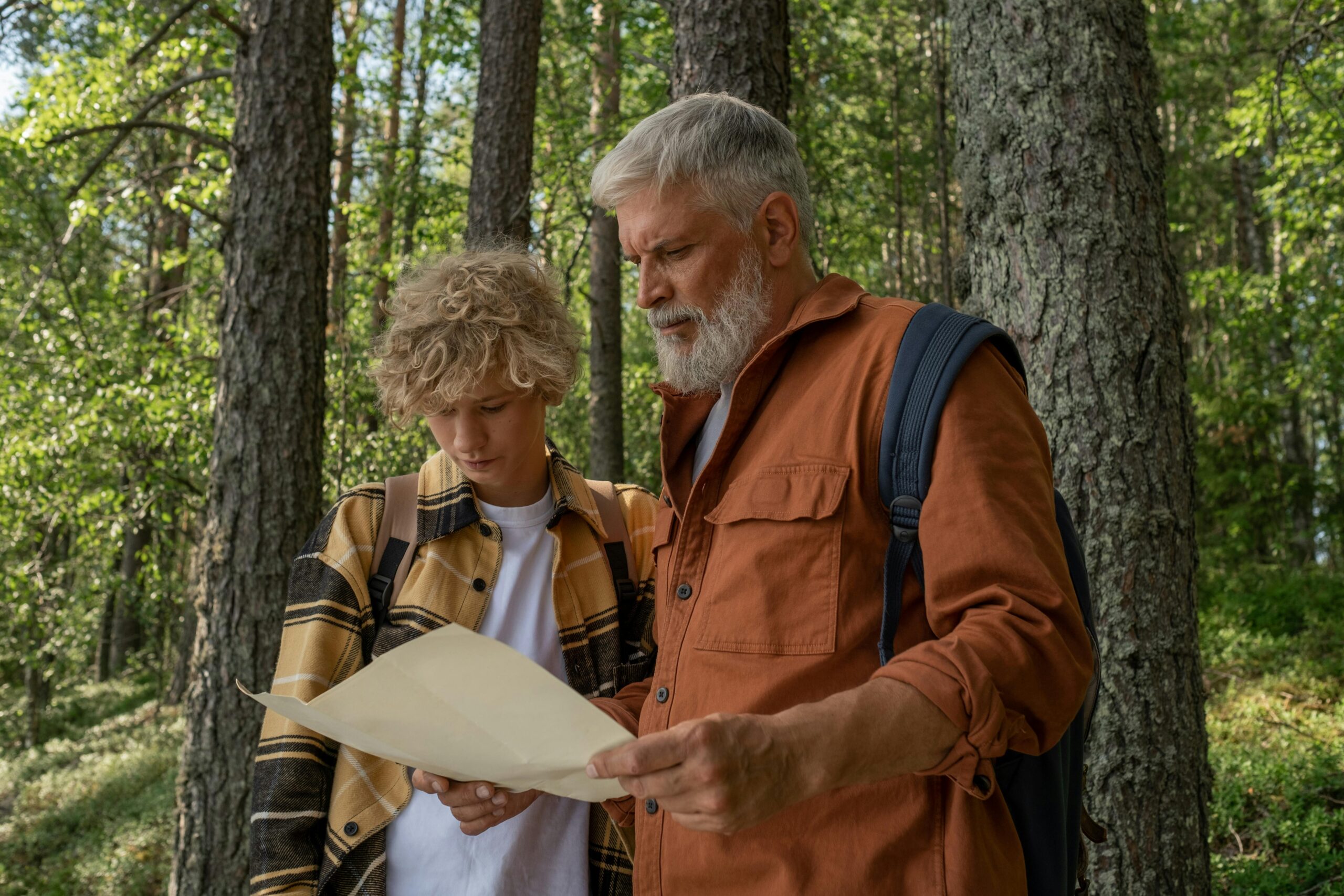
Essential Camping Hacks for a Stress-Free Adventure
Planning your next outdoor escape? Camping is a deeply rewarding experience, offering a break from the hustle and bustle of daily life and a unique bond with nature. However, without the right strategies, what should be a peaceful retreat can turn into a logistical nightmare. Let’s dive into essential camping hacks for a stress-free adventure, ensuring your journey into the great outdoors is as enjoyable and smooth as possible.
Introduction to Camping Preparedness
Getting ready for a camping trip means more than just packing a tent and sleeping bag. Being prepared entails understanding and anticipating the needs of your environment, ensuring comfort, and maintaining safety. With these essential camping hacks, you’ll be equipped to handle whatever the wilderness throws your way, turning any novice camper into a veritable outdoors enthusiast.
1. Master the Art of Packing
Pack Light, Pack Right: Overpacking is a common pitfall. Prioritize based on necessity. Opt for multi-use items like a Swiss Army knife, which includes a knife, screwdriver, and even scissors. Use compression sacks for clothing to save space and keep things organized.
Waterproof Your Gear: Nothing dampens spirits like damp gear. Ensure all your items, especially clothing and electronics, are protected. Use bin liners or zip-lock bags to keep everything dry.
2. Campsite Set-Up Mastery
Choose the Right Terrain: Upon arrival, take time to choose a flat, elevated spot for pitching your tent. Avoid valleys and paths that could turn into waterways should it rain overnight.
Natural Pest Repellants: Burning sage or coffee grounds not only smells pleasant but also naturally wards off insects. Consider bringing along these natural solutions instead of chemical repellants.
3. Fire Building Fundamentals
Efficient Fire Starters: Cotton pads dipped in wax or dryer lint stuffed into cardboard tubes make excellent fire-starters. These DIY solutions catch fire quickly, reducing frustration and resource waste.
Safety First: Always build your fire downwind and away from your tent. Keep water or a fire extinguisher nearby in case the fire needs to be put out quickly.
4. Optimal Food and Drink Solutions
Simplify Cooking: Pre-prepare meals at home. For instance, mix all the dry ingredients for pancakes and pack them in a sealed container; just add water when ready to cook.
Stay Hydrated: Carrying enough water can be burdensome. Research natural water sources on your route, and don’t forget to pack water purification tablets or a filter.
5. Sleep Enhancements
Ensure Comfort: Invest in a high-quality sleeping pad, consider using foam floor tiles underneath your sleeping area for extra comfort.
Stay Warm: Opt for a sleeping bag that suits the climate. A sleeping bag liner can also add an extra layer of warmth without the bulk of another bag.
6. Clothing and Footwear
Dress in Layers: Weather can change rapidly, especially in mountainous regions. Utilize the layering system: a wicking base layer, insulating middle layer, and waterproof outer layer.
Footwear Matters: A bad pair of shoes can ruin a trip. Waterproof, broken-in hiking boots are a must to prevent blisters and discomfort.
7. Keep Everything Accessible and Secured
Harness the Power of Carabiners: Use carabiners to attach gear to the outside of your backpack for easy access. This is especially useful for items like water bottles or shoes.
Leave No Trace: Keep all your trash secured and dispose of it properly. Respect wildlife regulations and maintain the pristine nature of your environment for future adventurers.
Frequently Asked Questions
What are the top three essential camping hacks for beginners?
- Learn how to pack efficiently to avoid common pitfalls.
- Master basic fire-making skills to ensure you can get warm and cook food.
- Prepare for the weather with proper clothing and camp setup tips.
How can I keep my food safe from wildlife while camping?
Utilize bear-proof containers and hang your food from a tree at night, away from your campsite. Adventure with peace of mind knowing your food is secure and animals are safe.
Are there eco-friendly camping practices I should follow?
Yes, regular practices include sticking to established trails, using biodegradable soap for cleaning, and adhering to the principles of Leave No Trace. Protecting the environment should be a top priority on any camping trip.
Conclusion: Embarking on Your Stress-Free Camping Adventure
Harnessing these essential camping hacks for a stress-free adventure can profoundly enhance your outdoor experience. Whether you’re a seasoned camper or a first-timer, preparing with these tips will put you well on your route to a successful and memorable escapade in nature’s lap. Remember, the key to a stress-free camping journey is preparedness. Happy camping!